
A clearer roof budget
Roof Replacement Cost Estimator
Measure the roof. Match the scope. Keep unknown costs visible.
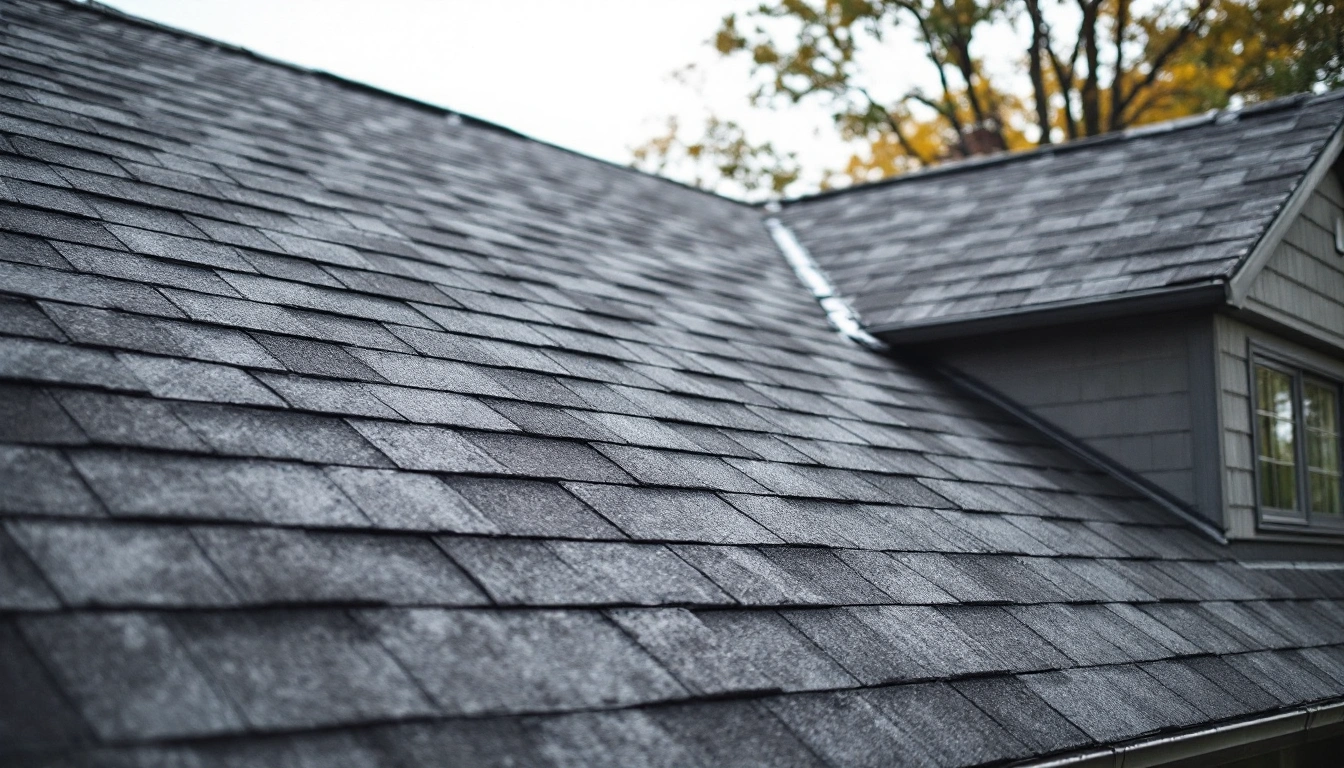
This roof replacement cost estimator turns a roof area and a stated price scope into a budget range. Use a measured roof surface, or an eave footprint with a known pitch. Choose a published US material reference or enter rates from your own written proposal. The result shows a known subtotal and keeps unpriced work visible.
A roof budget starts with roof surface area, not living area. Multiply that area by an installed rate with a matching material, location and scope. Add only work that the rate excludes. The published material references include their stated covering and installation scope. Removal and disposal are not established as universal inclusions. Deck repairs, permits and other unspecified work remain unknown until a written proposal prices them.
Use the roof replacement cost estimator
Start with the area basis you can defend. A measurement report may give you the actual roof surface. A floor plan may only show the space inside the walls. Those figures describe different things. A roof also covers overhangs, and its sloped surface can exceed the area you see from above.
Enter the measured surface if you have it. Use the footprint option only for a simple roof whose planes share one known pitch. Pitch means vertical rise for a horizontal run. A pitch of 6:12 rises six units for every twelve units of run. Don't guess it from a street photograph.
The footprint needs to reach the eaves. It should include each covered section you mean to replace. A detached garage is a separate area unless your report already includes it. An uncovered porch does not belong in the roofing total. A covered porch with a different slope needs its own measurement.
You do not need to climb onto the roof to use this worksheet. Use plans, a measured report or a written contractor measurement. OSHA's residential construction guidance explains why roof access needs fall protection. A closer photograph is not worth a fall.
Choose a rate basis next. Published US references cover most of the material types listed in the form. They include covering materials and installation. Source dates are shown beside the rate.
An optional panel lets you edit the pre-filled low and high values. Edited values are your assumptions; the result keeps the original guide range for comparison. Removal and disposal remain unknown unless a separate written scope establishes them.
A national guide rate cannot price a roof in another market or reflect its local conditions.
For a different roof, choose your own installed rate or itemized rates. Keep a copy of the quote that supplied them. Record whether its area is roof surface or ordering area. If you only know a material price, use the itemized option and leave labor unknown. The tool will return a known subtotal rather than call it a complete replacement price.
Read the range and included scope
A low and high result is an arithmetic range based on the inputs. It is not a probability interval. The low end is not an offer to do the work, and the high end is not a cap. Either end can miss work that the roof assessment has not yet found.
The estimator uses separate material records from HomeGuide's national cost guides , Western States Metal Roofing's published steel guide and Angi's aluminum guide. All three have commercial interests. The figures are broad references, not prices observed by this site or guaranteed local quotes.
| System | USD / roof-surface ft² | Source and published date |
|---|---|---|
| Architectural asphalt shingles | $4 to $6 | HomeGuide; November 7, 2025 |
| Three-tab asphalt shingles | $2 to $5 | HomeGuide; November 7, 2025 |
| Standing-seam steel | $10 to $16 | Western States Metal Roofing; January 11, 2026 (price basis stated by source) |
| Corrugated steel | $7 to $12 | Western States Metal Roofing; January 11, 2026 (price basis stated by source) |
| Clay tile | $8 to $25 | HomeGuide; April 5, 2023 |
| Concrete tile | $7 to $19 | HomeGuide; April 5, 2023 |
| Natural slate | $10 to $30 | HomeGuide; April 5, 2023 |
| Synthetic slate | $9 to $12 | HomeGuide; April 5, 2023 |
| Real cedar shakes | $25 to $30 | HomeGuide; November 23, 2025 |
| Steel modular shingles | $6 to $13 | HomeGuide; April 5, 2023 |
| Aluminum modular shingles | $6.7 to $16 | HomeGuide; April 5, 2023 |
| Stone-coated steel | $7 to $13 | HomeGuide; April 5, 2023 |
| Aluminum roofing, general guide | $4 to $11 | Angi; July 20, 2026 |
| TPO membrane, general installation | $4 to $10 | HomeGuide; April 19, 2024 |
| PVC membrane, general installation | $5 to $12 | HomeGuide; April 19, 2024 |
| EPDM membrane, general installation | $3.5 to $10 | HomeGuide; April 19, 2024 |
| Modified bitumen, general installation | $4 to $7.5 | HomeGuide; April 19, 2024 |
Scroll for more →
HomeGuide's slate and tile pages display an April 5, 2023 publication date despite their current guide titles. Treat those as older published references, checked now, rather than newly surveyed prices. The cedar and asphalt pages display November 2025 dates. The steel maker states a January 11, 2026 price basis and cautions that prices move.
The 2025 JLC / Remodeling Cost vs. Value national report lists $31,871 (its specified asphalt project) and $51,865 (its specified metal project). These are national project averages with their own scope. They are context, not a rate range. This tool does not divide them by an assumed area, mix them into another source's range or infer resale proceeds for your home.
Every installed reference includes covering material and installation labor. Removal, deck work, permits, taxes and exact flashing or ventilation scope are not established as universally included. They stay unknown. No second labor charge or purchase-waste uplift is added. Add an extra only when your evidence shows it falls outside the base scope.
An unknown amount differs from zero. Zero means the work has a confirmed zero charge or does not apply. Unknown means you do not yet have enough evidence to price it. Keep that difference on the saved or printed result. A subtotal with clear gaps is more useful than a larger number that hides them.
Roof area, material and pitch
One roofing square is 100 square feet of roof surface. A square is an area unit, not a bundle count. Bundle coverage depends on the shingle and the package label. An installed price per square must be divided by 100 before you use it as a price per square foot.
For example, a hypothetical installed quote of 600 dollars per square equals six dollars per square foot. This is a unit conversion, not a market price claim. You can check it by dividing the quote amount by the area of one square. Keep both units on your comparison sheet so a small-looking unit price does not mislead you.
For an equal-pitch roof, the worksheet uses this equation:
Roof surface = eave footprint × √(1 + (rise ÷ run)²)
The run is twelve when you enter pitch as rise over twelve. The formula applies the slope factor once. If you already have a surface measurement, the calculator skips that factor. Applying it to a measured surface would count slope twice.
A simple 1,200-square-foot eave footprint at 6:12 gives about 1,341.64 square feet of roof surface. This is a geometric example. It is not a claim about a particular home. The tool keeps the full result for price math and rounds only the final display.
Mixed slopes, curved roofs and complex additions need separate plane measurements. A single pitch field cannot describe them with care. Use the measured-surface mode after adding the plane areas from a report. If the geometry remains unknown, the tool cannot produce a useful area or money result.
The material field records what you are pricing. Asphalt, standing-seam metal and exposed-fastener metal are different assemblies. Cedar, concrete tile, clay tile, natural slate, synthetic slate and low-slope membranes also need their own rates. The tool does not turn the asphalt price into these prices with a multiplier.
Some roofs combine materials. A main shingle roof and a low-slope porch should not share one average rate. Price the two measured surfaces as separate scenarios, then combine only their known scopes. Check that common charges, such as one disposal container, do not appear in both totals.
Removal, labor and concealed conditions
The price to install new covering does not always describe replacement. Replacement can include stripping the old covering, loading waste, hauling it away and preparing the deck. If a quote leaves any of that out, its installed rate cannot be compared directly with a package that includes it.
The US references do not establish a universal removal and disposal allowance. Layer count still matters to a real proposal. It does not trigger an invented surcharge in this tool. Record it as known or unknown and ask how the quoted package handles it.
Roof height, access and the number of valleys can affect the work. Those fields prompt questions; they do not apply percentage uplifts. A narrow side yard may affect waste handling. A steep plane may require different access arrangements. The contractor needs to price those conditions in a written scope.
The roof deck is the wood or other base beneath the covering. Its full condition may remain unclear until removal. A ground view cannot tell you how many sheets need replacement. Neither the tool nor its illustration can inspect that base.
Ask a proposal to explain how extra deck work will be measured and charged. A per-sheet price needs the sheet specification and labor scope. A lump allowance needs a rule for unused amounts and extra work. The original proposal should state who approves a change before it proceeds.
Flashing is the detail that directs water at roof edges, walls and openings. A quote that says new shingles may still leave flashing unclear. Ask which pieces will be replaced and which may stay. Avoid adding a second flashing allowance if the installed package already covers the same work.
Ventilation also needs an assembly-specific plan. Intake and exhaust paths work together. A roof replacement is a time to check them, but this cost tool does not size them. Do not assume that a new ridge vent alone fixes an attic moisture problem.
Older materials may need a different removal plan. The EPA's asbestos guidance explains that appearance alone cannot confirm asbestos. Do not cut, scrape or sample suspect roof material for this estimate. Mark that scope unknown and keep it outside an ordinary tear-off rate.
Cost by material and size scenarios
These rows use the HomeGuide architectural-asphalt rate with sample roof areas. They show the math, not real jobs or a national average. Each row keeps the unknown items listed above. The source was checked on October 14, 2026.
| Roof surface | Roofing squares | Known package subtotal |
|---|---|---|
| 1,000 ft² | 10 | $4,000 to $6,000 |
| 1,500 ft² | 15 | $6,000 to $9,000 |
| 2,000 ft² | 20 | $8,000 to $12,000 |
Scroll for more →
The size buttons in the form enter roof surface, not house size. They do not choose a material, a pitch or a scope for you. The worksheet waits for an explicit calculation. That keeps an example area from appearing to be a measurement of your home.
The form offers material-specific references where the source supports the system, and user-supplied ranges for every material. A standing-seam rate should identify the panel and seam system. A tile rate should state whether it covers full replacement or lifting and relaying existing tile. A membrane rate should identify the membrane and attachment method. A material label alone does not define the installed package.
Separate guide records now cover general aluminum, steel and aluminum shingles, stone-coated steel, EPDM, TPO, PVC and modified bitumen. Each uses its own stated material and labor scope. Exact layers and details can still be unknown. Solar and other unmatched systems need a visitor-entered package. No rate is copied from a different material.
Do not compare material-only metal panels with an installed asphalt roof. The panel price may leave out trim, fasteners, delivery, underlayment and labor. Its quoted area may also describe ordering coverage. A low material price does not settle the full installed cost.
How the estimate is calculated
Installed mode multiplies roof surface by the low and high installed rates. It adds only explicit extras that sit outside that package. If an extra has no amount, it remains unknown. The displayed range is therefore a known subtotal unless you have supplied the whole scope and confirmed it.
Itemized mode prices separate parts. Each part must cover its own work. Material cost uses area and your entered waste allowance. Labor and removal use surface area without waste.
Fixed extras use their entered low and high amounts. Check that no line already includes another.
Waste means material ordered beyond the net roof surface. Cuts and package rounding can create it. It is not extra roof surface. A roofer's package may handle ordering inside its price. The tool adds no waste uplift to the published installed rate.
The itemized form asks you to enter waste rather than conceal a default. A zero allowance is a user assumption, not a recommendation. Use package-specific coverage and rounding for actual orders. This estimator's continuous material-area model does not tell you how many bundles or panels to buy.
Use the low rate with the low extra and the high rate with the high extra. The tool checks that each lower bound does not exceed its upper bound. It rejects negative amounts. It also rejects nonnumeric or infinite quantities rather than printing a dollar result that looks valid.
The equal-pitch worked example has a surface of 1,341.640786 square feet. Applying the HomeGuide architectural-asphalt range gives a derived installation subtotal of $5,367 to $8,050, rounded to whole dollars. Deck repairs, permits and unspecified extras still remain unknown. There is no added waste, labor or disposal line in that calculation.
Changing the area by a given share changes an area-based package subtotal by the same share. A fixed extra does not move with area. This arithmetic explains why a missing garage area can matter without inventing a local price adjustment. It does not establish which side of a contractor's range a particular roof will reach.
Compare two written proposals
Put both proposals on the same measured roof area before judging their totals. One may include the garage while the other does not. One may use net surface, while another shows ordering squares. Ask each writer to explain the basis rather than choosing the smaller measurement.
Match the covering and assembly next. Record the shingle or panel specification, underlayment, flashing, ventilation and deck work. A product warranty and a contractor's workmanship promise cover different risks. Read the terms rather than treating a long warranty label as a measure of installed quality.
Then mark removal, disposal, permits and taxes as included, separately priced or unknown. Use a third column for exceptions. A number with more known scope can be easier to plan around than a smaller number with major gaps. This worksheet does not score a contractor or decide whether an offer is fair.
Ask how the proposal handles rain protection during the work, property access and cleanup. Keep those written commitments with the price. They are scope questions, not automatic dollar allowances in this calculator. Do not add guessed charges merely to make the two totals look alike.
If a proposal gives only a lump sum, use it as a lump sum. Dividing by a verified area can help compare units, but it does not prove how much is labor or material. Do not reverse-engineer a false breakdown from a single total.
Sources, dates and corrections
Method version 2.0 was checked on October 14, 2026. It replaces the former single Maryland contractor example with material-specific US guide ranges. The dated records retain units and inclusions. GAF's explanation of roof cost drivers helps define the scope, but supplies no unit coefficient here.
No ZIP-based or regional price factor is applied. A source's national guide does not establish a price for an individual location. Use a dated local proposal in user-range mode when you have one. Keep its material and exclusions beside the result so the two references can be compared fairly.
The tool stores no address, phone number or email. It does not need a ZIP code. Inputs stay in the current page and are not placed in an indexable results URL. Printing lets you keep a worksheet with the assumptions and gaps beside the result.
The reference rate is due for a fresh check by January 14, 2027. After that date the interactive tool stops using the built-in rate until it is reviewed. Your own rates can still be entered with their source and date. An expired reference should not keep producing a result that looks current.
Read the method and source records for equations, units and correction history. Use Contact and Corrections to report a source or arithmetic error. Include the page, the input values, what you expected and a source link. Do not send your street address or private quote documents.
Frequently asked questions
Can I enter my home's living area?
Use roof surface, or a measured eave footprint with a known common pitch. Living area describes indoor floor space. It may include more than one story and omit overhangs or covered sections. If that is the only number you have, obtain a roof measurement before relying on a dollar subtotal.
Does the published asphalt range include removal?
Not as a confirmed universal inclusion. The guide ranges establish material and installation costs. Removal and disposal need an explicit scope check and remain unpriced here. That still leaves deck work, permits and other unspecified scope unknown. Your own quote may use a different package, so check its wording before copying a rate.
Why is the result a known subtotal?
An online form cannot inspect the deck, establish local permit costs or confirm every assembly detail. The subtotal prices only its stated inputs. You can add separately priced excluded work, but missing amounts stay unknown. A contractor's written scope and site assessment are needed before treating a figure as a project price.
Is a replacement budget proof that I need a new roof?
No. Age and visible symptoms guide the next questions; they do not settle the cause of a leak or the state of the whole roof. Read the roof lifespan guide before choosing a replacement scope. A local defect can require a different response from widespread deterioration or a failed deck.
Verdict: your roof replacement cost estimator worksheet
Use this roof replacement cost estimator to check quantities, units and scope before you compare proposals. Keep the source region next to its rate. Leave unknown work visible and do not add package inclusions a second time. For the decision before the budget, read how long does a roof last.